Different Types of Facial Masks and Their Benefits – A Beauty Salon Guide to Glowing Skin
Facial masks have gone from occasional pampering treats to absolute skincare staples. Walk into any beauty salon (or even your local drugstore), and you’ll find shelves full of colorful jars, tubes, and sachets promising everything from poreless skin to an instant glow.
But how do you really know which mask is right for you? And what are the actual differences between all these formulas? Understanding the different types of facial masks and their benefits is the key to choosing products that genuinely work for your skin, rather than just following trends.
This complete guide breaks down the most popular facial mask types, who they’re best for, how to use them, and when it’s worth upgrading to a professional beauty salon treatment.
What Are Facial Masks and How Do They Work?
Facial masks are skincare treatments designed to sit on the skin for a period of time, allowing concentrated ingredients to penetrate more effectively than a quick cleanser or serum.
They create a temporary barrier on the skin, which:
- Slows down the evaporation of water and active ingredients
- Increases contact time with your skin
- Targets specific concerns like oiliness, dryness, dullness, fine lines, or breakouts
By learning about different types of facial masks and their benefits, you can build a mini “treatment menu” at home that feels almost as indulgent as going to the salon.
Key Skin Concerns Facial Masks Can Address
Most facial masks are designed around one or more of these goals:
- Hydration & plumping – for dry, tight, or dehydrated skin
- Oil control & pore refining – for oily or acne-prone skin
- Brightening & evening skin tone – for dullness or mild pigmentation
- Soothing & calming – for redness, sensitivity, or irritation
- Anti-aging support – for fine lines, uneven texture, or loss of firmness
How Often Should You Use Facial Masks?
Frequency depends on the mask type and your skin:
- Clay, mud, charcoal masks: 1–2 times per week for most oily/combination skins
- Hydrating cream, gel, or sheet masks: 1–3 times per week, sometimes more for very dry or stressed skin
- Exfoliating enzyme or AHA/BHA masks: About 1 time per week, depending on strength and sensitivity
- Overnight/sleeping masks: 1–3 times per week as an intensive boost
When in doubt, ask your beauty salon esthetician to help you create a weekly routine tailored to your skin.
Different Types of Facial Masks and Their Benefits (Overview)
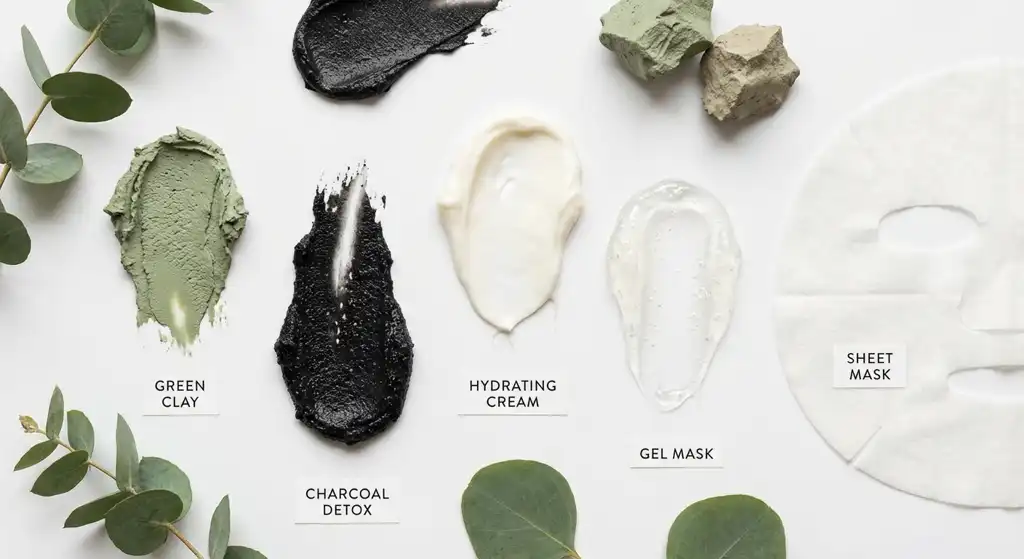
There are many different types of facial masks, but most fall into these main categories:
- Clay and mud masks – deep-clean and absorb oil
- Charcoal masks – detox and decongest pores
- Sheet masks – hydrate and calm quickly
- Cream and gel masks – nourish, soothe, and repair
- Peel-off masks – offer quick radiance and a “peel” effect
- Enzyme and AHA/BHA masks – exfoliate and smooth skin
- Overnight/sleeping masks – work while you sleep
- DIY natural masks – use kitchen ingredients (with caution)
- Professional salon masks – customized, high-performance treatments
Understanding these different types of facial masks and their benefits helps you match the right formula to your skin type and your current needs.
Clay and Mud Masks – Deep-Cleansing Benefits for Oily and Acne-Prone Skin
Clay and mud masks are classics for a reason. They’re especially loved by people with oily, combination, or breakout-prone skin.
What Are Clay and Mud Facial Masks?
Clay masks are typically based on ingredients like:
- Kaolin clay – gentle, suitable for normal to combination skin
- Bentonite clay – highly absorbent, excellent for very oily skin
- French green clay or volcanic mud – mineral-rich, used for deep purification
These clays mix with water or other ingredients to form a paste that dries on the skin.
Benefits of Clay and Mud Masks.
The main benefits include:
- Absorbing excess oil – leaving the skin looking less shiny
- Unclogging pores – helping reduce blackheads and congestion
- Refining texture – making skin feel smoother
- Supporting acne-prone skin – by reducing surface oils that can contribute to breakouts
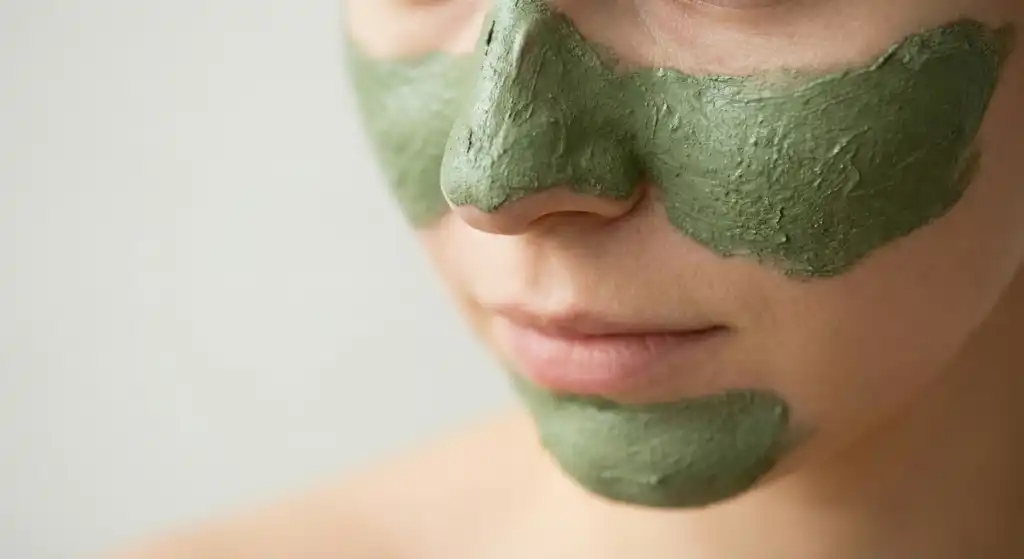
Used correctly, clay masks can leave your skin feeling incredibly clean without being stripped.
Who Should Use Clay Masks (and Who Shouldn’t)
Clay and mud masks are best for:
- Oily and combination skin
- Congested T-zones
- Acne-prone skin (depending on the formula)
They may be too drying for:
- Very dry or dehydrated skin
- Very sensitive or compromised skin barriers
If your skin feels tight, flaky, or irritated afterward, you may need a gentler option or less frequent use.
How to Use Clay Masks Without Over-Drying
To get the benefits without damaging your skin:
- Apply only to oily areas (often the T-zone) instead of the whole face
- Don’t wait until the mask is fully cracked and bone-dry
- Use lukewarm water and gentle circular motions to remove
- Always follow up with a hydrating serum and moisturizer
In a beauty salon setting, clay masks are often paired with gentle steaming, massage, and hydrating steps to keep skin balanced.
Charcoal Masks – Detox Benefits for Congested Pores
Charcoal masks gained popularity as a way to “detox” the skin, especially for people living in urban areas.
What Makes Charcoal Masks Different?
These masks contain activated charcoal, a porous form of carbon that can help bind to impurities on the skin’s surface. When used in facial masks, it can:
- Help draw out excess oil and debris from pores
- Improve the appearance of congestion and blackheads
- Leave skin feeling extra clean
Benefits of Charcoal Facial Masks
Charcoal masks can be particularly beneficial for:
- Women exposed to pollution, dust, and city air
- People with congested, oily, or combination skin
- Occasional “reset” treatments for dull, tired-looking skin
Safe Use of Charcoal Masks
To enjoy the benefits without irritation:
- Avoid very harsh peel-off charcoal masks if you have sensitive, thin, or reactive skin
- Use 1–2 times per week at most
- Always patch-test first if your skin is easily irritated
- Moisturize afterward to prevent dryness
When applied in a salon, charcoal masks are often chosen after a professional skin analysis to ensure they suit your skin type.
Sheet Masks – Instant Hydration and Glow
Sheet masks have become a staple for women who want results fast, without much effort.
What Are Sheet Facial Masks?
Sheet masks are usually made from:
- Cotton, microfiber, or hydrogel sheets
- Soaked in a concentrated serum or essence
- Cut to fit the contours of your face (with openings for the eyes, nose, and mouth)
You place the sheet on clean skin, relax for 10–20 minutes, then remove it and massage in the remaining serum.
Benefits of Sheet Masks for Busy Women
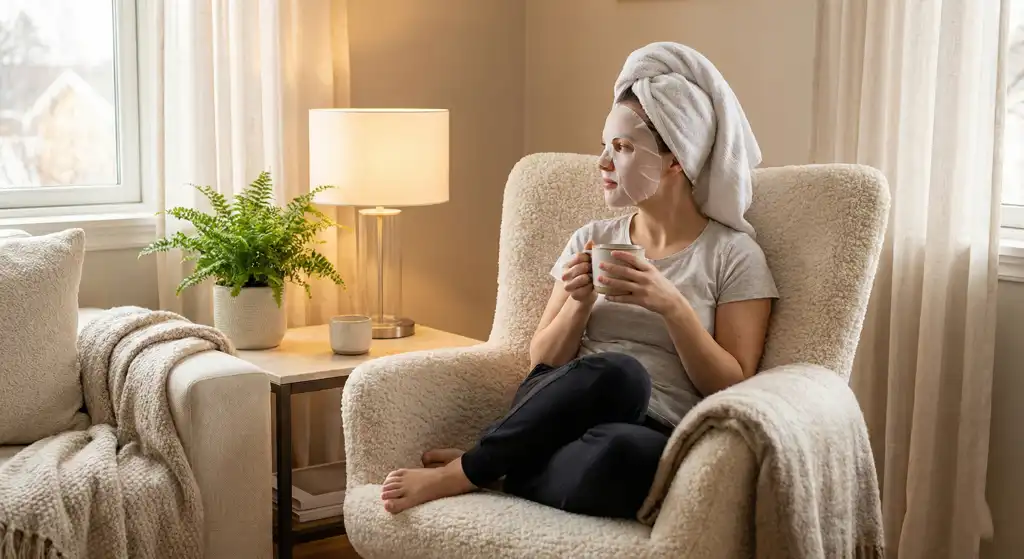
Sheet masks are ideal when you need a quick boost because they:
- Deliver instant hydration and plumping
- Help calm redness and irritation (depending on formula)
- Give a visible glow before events or photos
- Feel relaxing and spa-like, even at home
They’re perfect for travel days, before a night out, or as part of a weekly self-care ritual.
Best Ingredients to Look For in Hydrating Sheet Masks
Look for sheet masks with:
- Hyaluronic acid & glycerin – to attract and hold moisture
- Aloe vera & centella asiatica – for soothing and calming
- Ceramides – to support the skin’s barrier
- Niacinamide – to help brighten and even skin tone
- Antioxidants (vitamin C, green tea) – to fight environmental stress
When to Choose a Salon Sheet Mask Over a Drugstore Option
Drugstore sheet masks are fun and convenient, but professional sheet masks used in beauty salons are often:
- Contain more potent, targeted ingredients
- They are combined with exfoliation or massage to boost absorption
- Can be customized to your exact skin condition that day
If you’re preparing for a big occasion wedding, photoshoot, or major event a salon facial with a professional-grade sheet mask can offer more noticeable, longer-lasting results.
Cream and Gel Masks – Nourishing Benefits for Dry and Sensitive Skin
If your skin feels tight, rough, or uncomfortable, cream and gel masks may be your best friends.
What Are Cream and Gel Facial Masks?
- Cream masks are rich, emollient formulas that feel like a very thick moisturizer.
- Gel masks are lighter and often cooling, with a water-gel texture that soothes heated or sensitive skin.
Both types are usually left on for 10–20 minutes, then either rinsed off or tissued away.
Benefits for Dry, Dehydrated, and Sensitive Skin
The main benefits include:
- Intense hydration for dry or dehydrated skin
- Barrier support for compromised or sensitive skin
- Soothing for redness, irritation, or post-sun exposure
- Plumping and softening the look of fine lines caused by dehydration
Key Ingredients That Make Cream and Gel Masks Effective
Look for ingredients like:
- Ceramides and squalane – help restore the skin barrier
- Shea butter, plant oils (jojoba, evening primrose) – nourish and soften
- Aloe vera and panthenol – calm and soothe
- Peptides and antioxidants – support anti-aging and protection
Salon Hydrating Facial Masks vs At-Home Options
In a beauty salon, hydrating masks may be:
- Applied after professional exfoliation for deeper penetration
- Combined with facial massage to boost circulation
- Enhanced with tools like warm towels or LED light therapy
At home, these masks are still powerful, but a professional treatment can push the results further and help “reset” dry or stressed skin.
Peel-Off Masks – Quick Radiance with a Few Caveats
Peel-off masks promise satisfying removal and glowing skin, but they need to be used wisely.
What Are Peel-Off Facial Masks?
Peel-off masks:
- Start as a gel or liquid
- Dry into a rubbery film on the skin
- They are carefully peeled away after a set time
Some contain glitter or fun colors, but what truly matters are the ingredients, not the appearance.
Benefits of Peel-Off Masks
Used carefully, they can:
- Offer a quick radiance and smoothness boost
- Help remove surface dead skin cells and some impurities
- Provide a “spa-like” sensory experience
Risks and Who Should Avoid Them
Peel-off masks can be too harsh for:
- Very sensitive or thin skin
- Those with rosacea or broken capillaries
- Compromised skin (after sunburn, aggressive treatments, or irritation)
Aggressive peeling can disrupt the skin barrier, causing redness and discomfort.
How to Use Peel-Off Masks Safely
- Avoid delicate areas like brows, hairline, and eyes
- Never yank or tug aggressively while peeling
- Do not use more than once a week
- Always moisturize afterward
If you love the “peel” concept but have sensitive skin, talk to your esthetician about gentler exfoliating mask options.
Enzyme and AHA/BHA Exfoliating Masks – Smoother, Brighter Skin
These masks focus on removing dead skin cells to reveal smoother, more radiant skin underneath.
What Are Enzyme Facial Masks?
Enzyme masks often use fruit-derived enzymes, such as:
- Papain (from papaya)
- Bromelain (from pineapple)
- Pumpkin enzymes
These gently dissolve the “glue” holding dead skin cells together, offering a milder form of exfoliation suitable for many skin types.
What Are AHA/BHA Facial Masks?
These masks contain chemical exfoliants like:
- AHAs (alpha hydroxy acids) – glycolic, lactic, mandelic
- BHAs (beta hydroxy acids) – salicylic acid
AHAs work mainly on the skin’s surface, improving tone and texture. BHAs penetrate pores, making them excellent for oily and acne-prone skin.
Benefits for Dull, Textured, or Blemish-Prone Skin
Used correctly, exfoliating masks can:
- Brighten a dull complexion
- Smooth roughness and uneven texture
- Minimize the appearance of fine lines over time
- Help clear pores and reduce blackheads and breakouts
- Enhance how makeup sits on the skin
How to Avoid Irritation with Exfoliating Masks
Because they’re strong, these masks must be used with care:
- Follow instructions carefully – don’t exceed the recommended time
- Use only once a week (or as advised by a professional)
- Avoid combining with other strong actives (like retinoids) on the same night
- Always follow with soothing products and broad-spectrum SPF in the morning
In a beauty salon, your esthetician can choose the exact concentration and mask type that’s safe for your skin, and monitor your reaction for the best results.
Overnight and Sleeping Masks – Beauty Benefits While You Sleep
Overnight or sleeping masks are perfect for women who want maximum benefits with minimal effort.
What Are Overnight Facial Masks?
These are typically richer than a night cream but lighter than a traditional wash-off mask. You:
- Apply a thin layer as the last step of your evening routine
- Sleep with it on
- Rinse with water in the morning if needed
Key Benefits of Sleeping Masks
Overnight masks take advantage of your skin’s natural repair process at night, helping to:
- Deeply rehydrate and plump the skin
- Support barrier repair and recovery
- Calm irritation from environmental stress
- Boost radiance and softness by morning
Best Skin Types for Overnight Masks
They’re ideal for:
- Dry, dehydrated, or mature skin
- Skin exposed to air conditioning, heating, or frequent travel
- Occasional “rescue” use on normal or combination skin in winter
Oily and acne-prone skin can still benefit, but should choose lighter, non-comedogenic formulas.
DIY Natural Facial Masks – Benefits and Safety Tips
Natural and DIY masks can be tempting, especially if you love kitchen beauty recipes. But they should be approached with care.
Popular DIY Mask Ingredients and Their Benefits
Safer options often include:
- Honey – naturally humectant and soothing
- Yogurt – contains lactic acid for gentle exfoliation
- Oatmeal – calming for irritated or itchy skin
- Aloe vera gel – soothing and hydrating
- Avocado or banana – nourishing for dry skin
These can offer mild benefits when used properly.
Risks of Home Facial Masks
However, not all kitchen ingredients are skin-friendly. Be cautious with:
- Lemon or lime – can burn or irritate the skin, and increase sun sensitivity
- Baking soda – disrupts the skin’s natural pH
- Undiluted essential oils can cause strong irritation or allergic reactions
- Sugar or salt scrubs on the face can create micro-tears in the skin
If you have sensitive or problematic skin, DIY experiments may do more harm than good.
When to Stick to Professional or Tested Products Instead
Professional and dermatologist-tested products have:
- Controlled, stable ingredient concentrations
- Safety testing for irritation
- Clear instructions for safe use
For long-term results and if you have skin concerns (acne, pigmentation, sensitivity), it’s often better to invest in salon-grade or high-quality skincare rather than experimenting with risky DIY recipes.
Professional Salon Facial Masks vs At-Home Masks
At-home masks are fantastic for maintenance. But professional salon facial masks offer advantages you simply can’t recreate in your bathroom.
Unique Benefits of Salon Facial Mask Treatments
In a beauty salon, facial masks are:
- Chosen after a thorough skin analysis
- Layered with complementary treatments (steaming, exfoliation, massage)
- Often more concentrated and results-driven
- Applied with techniques that boost circulation and absorption
This means you get more noticeable and longer-lasting benefits, especially for stubborn issues like congestion, dehydration, or dullness.
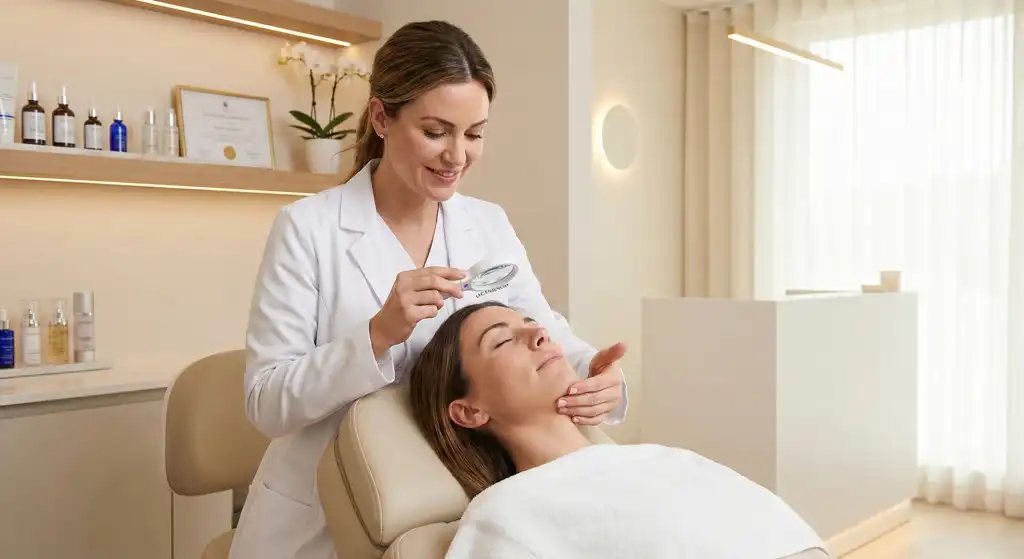
What to Expect During a Salon Facial Mask Session
A typical professional facial with a mask may include:
- Consultation and skin analysis
- Gentle cleanse and possibly double-cleansing
- Exfoliation (physical, enzyme, or mild acid)
- Application of a customized mask (sometimes more than one for multi-masking)
- Relaxation time with scalp, neck, or hand massage
- Removal of the mask + toner, serum, moisturizer, and SPF application
The result is not just better skin, but also deep relaxation and stress relief.
Combining Salon Masks with a Home Mask Routine
The best approach is often a combination:
- Salon treatments every 4–8 weeks to deeply reset and treat the skin
- At-home masks 1–3 times per week to maintain and enhance results
Your esthetician can recommend which different types of facial masks and their benefits are most important for your goals, then build a simple, realistic routine you can actually stick to.
How to Choose the Right Facial Mask and Benefits for Your Skin Type
With so many options, it helps to match specific mask types to your skin’s needs.
Facial Masks for Oily and Acne-Prone Skin
Great options:
- Clay and mud masks – to absorb excess oil and purify pores
- Charcoal masks – to draw out debris and reduce congestion
- BHA (salicylic acid) masks– to clean inside the pores
Benefits you can expect:
- Less shine and oiliness
- Fewer blackheads and clogged pores
- Smoother texture and clearer-looking skin
Facial Masks for Dry and Dehydrated Skin
Choose:
- Cream masks – rich and nourishing
- Gel masks – soothing and hydrating
- Hydrating sheet masks – quick moisture boost
- Overnight masks – intensive nighttime repair
Key benefits:
- Deep, sustained hydration
- Relief from tightness and discomfort
- Plumper, softer, and more radiant skin
Facial Masks for Combination Skin
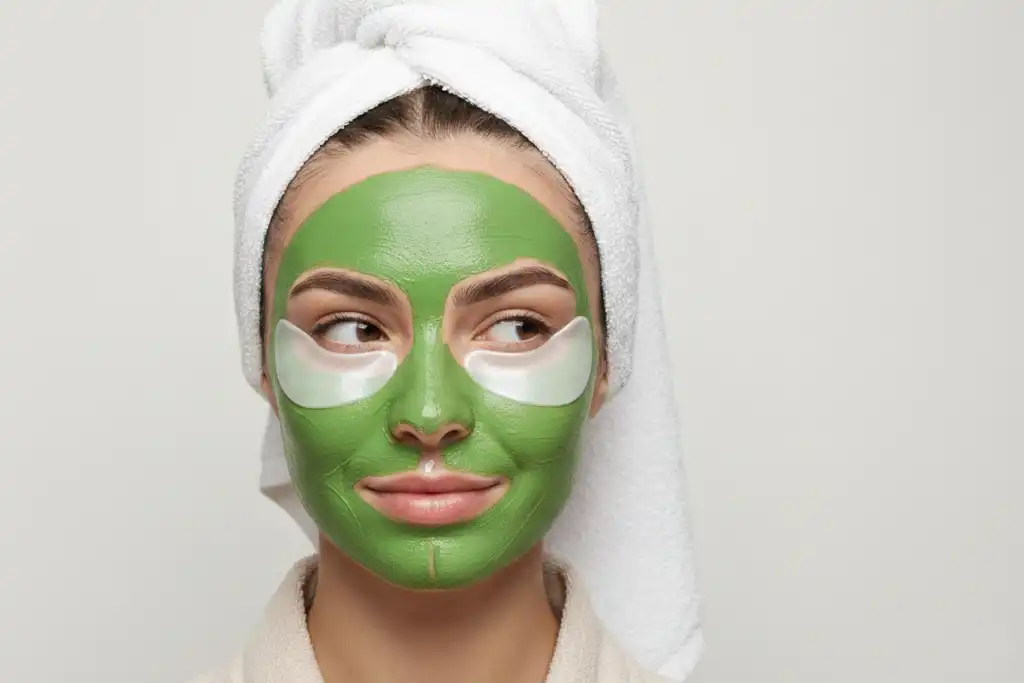
Combination skin benefits from multi-masking:
- Clay or charcoal masks on the T-zone (forehead, nose, chin)
- Hydrating cream or gel masks on drier cheeks
This way, you’re not over-drying some areas while neglecting others. The main benefit is overall balance—less oil where you don’t want it, more hydration where you do.
Facial Masks for Sensitive or Reactive Skin
Look for:
- Fragrance-free cream or gel masks
- Soothing sheet masks** with calming ingredients
- Very gentle enzyme masks (only if approved by a professional)
Benefits:
- Reduced redness and irritation
- Stronger skin barrier
- More comfort and resilience over time
Avoid strong acids, harsh peel-off masks, and aggressive DIY recipes unless guided by a professional.
Facial Masks for Mature or Aging Skin
For signs of aging, focus on:
- Hydrating cream or gel masks with hyaluronic acid, ceramides, and peptides
- Gentle exfoliating masks (enzyme or mild AHA) for improved texture
- Antioxidant-rich masks to fight environmental damage
Expected benefits:
- Smoother, plumper-looking skin
- Softer appearance of fine lines caused by dehydration
- Brighter, more even tone and improved firmness over time
Step-by-Step Guide: How to Apply Any Facial Mask for Maximum Benefits
No matter which type of facial mask you use, a good application method makes a big difference.
Step 1 – Start with a Gentle Cleanse
Always begin with clean skin:
- Remove makeup thoroughly
- Use a gentle cleanser suited to your skin type
- Pat dry with a soft towel
This step ensures your mask can work on the skin itself, not just on top of dirt or makeup.
Step 2 – Optional Exfoliation for Better Absorption
A light exfoliation before masking helps:
- Remove dead skin cells
- Allow active ingredients to penetrate more effectively
Use a mild exfoliant once or twice a week, or let your salon esthetician handle this step professionally.
Step 3 – Apply the Right Amount of Mask
- Follow the instructions on the product
- Avoid the eye and mouth area unless the mask is designed for it
- Apply evenly; too thin and it won’t work well, too thick and it may not set properly
Step 4 – Relax and Let the Mask Work
- Set a timer according to the mask type (usually 10–20 minutes)
- Avoid leaving exfoliating or clay masks on longer than recommended
- Use the time to relax, meditate, or just breathe think of it as at-home spa therapy
Step 5 – Rinse or Remove Correctly
- For rinse-off masks, use lukewarm water and gentle motions
- For peel-off masks, peel slowly without pulling the skin hard
- For sheet masks, remove the sheet and massage in leftover serum rather than rinsing
Step 6 – Seal in the Benefits
After masking, always:
- Apply toner (if you use one)
- Follow with serum and moisturizer suited to your skin type
- Use SPF during the day, especially after exfoliating masks
In a salon, your esthetician will finish with professional serums, creams, eye products, and sunscreen to lock in the mask benefits.
Common Mistakes That Reduce Facial Mask Benefits
Even the best masks won’t deliver if used incorrectly.
Using the Wrong Mask for Your Skin Type
Examples:
- Applying strong clay masks to very dry or sensitive skin
- Using heavy cream masks on very oily, acne-prone skin
- Applying harsh exfoliating masks on reactive skin
Knowing the different types of facial masks and their benefits helps you avoid these mismatches.
Over-Masking or Masking Too Often
More is not always better. Overuse can:
- Weaken your skin barrier
- Cause redness, sensitivity, or breakouts
- Make your skin feel stressed instead of pampered
Stick to the recommended frequency or ask your esthetician for a personalized schedule.
Leaving Masks On for Too Long
It’s a myth that leaving a mask on longer makes it work better especially for clay or exfoliating masks. Overdoing it can mean:
- Dehydration
- Irritation
- Compromised barrier function
Always respect the time guidelines on the product (or your professional’s advice).
Ignoring Ingredients and Possible Allergies
If you have known sensitivities, always:
- Read ingredient lists
- Patch-test new products behind the ear or on the jawline
- Consult a dermatologist or trained esthetician if you’re unsure
FAQs About Different Types of Facial Masks and Their Benefits
Can I Combine Different Mask Types in One Week?
Yes, and it’s often ideal. For example:
- Use a clay mask once a week to control oil
- Add a hydrating sheet mask mid-week
- Use a gentle enzyme mask once every 1–2 weeks for extra glow
As long as you’re not over-exfoliating or over-drying your skin, a “wardrobe” of masks can cover multiple needs.
Are Facial Masks Safe During Pregnancy or Breastfeeding?
Many simple hydrating and soothing masks are safe, but always:
- Avoid strong retinoids unless cleared by your doctor
- Be cautious with high-strength acids
- Choose fragrance-free masks if you’re extra sensitive
When in doubt, consult with a healthcare provider and let your beauty salon know you’re pregnant or breastfeeding so they can adjust treatments.
Do Salon Facial Masks Really Work Better Than Drugstore Masks?
Salon facial masks are often:
- More targeted and concentrated
- Paired with professional techniques like massage and advanced tools
- Customized to your skin on that specific day
Drugstore masks are great for maintenance, but professional treatments can deliver faster, more dramatic improvements especially for complex concerns.
How Long Until I See Results from Facial Masks?
- Hydrating and sheet masks: often give an instant glow and plumping effect
- Clay and charcoal masks: can visibly reduce shine and congestion after 1–2 uses
- Exfoliating masks: may show smoother, brighter skin within a few uses
- Anti-aging masks: usually need consistent use over weeks to see firmer, more refined skin
Consistency, along with a good daily routine, is key to long-term results.
Getting the Most From Different Types of Facial Masks and Their Benefits
Facial masks are more than just a pampering treat. When you understand the different types of facial masks and their benefits, you can choose formulas that truly support your skin’s needs whether you’re dealing with oiliness, dryness, sensitivity, dullness, or the first signs of aging.
From clay and charcoal for deep purification, to sheet, cream, and gel masks for hydration and repair, to exfoliating and overnight masks for smoothing and rejuvenation, there’s a mask for every skin type and lifestyle.
Used wisely and ideally combined with professional guidance from a beauty salon masks can become powerful tools in your skincare routine, helping you maintain a healthy, glowing complexion at every age.
Book Your Personalized Facial Mask Treatment Today.
If you’re feeling overwhelmed by all the options, you don’t have to figure it out alone.
Book a personalized facial mask treatment at your local beauty salon.